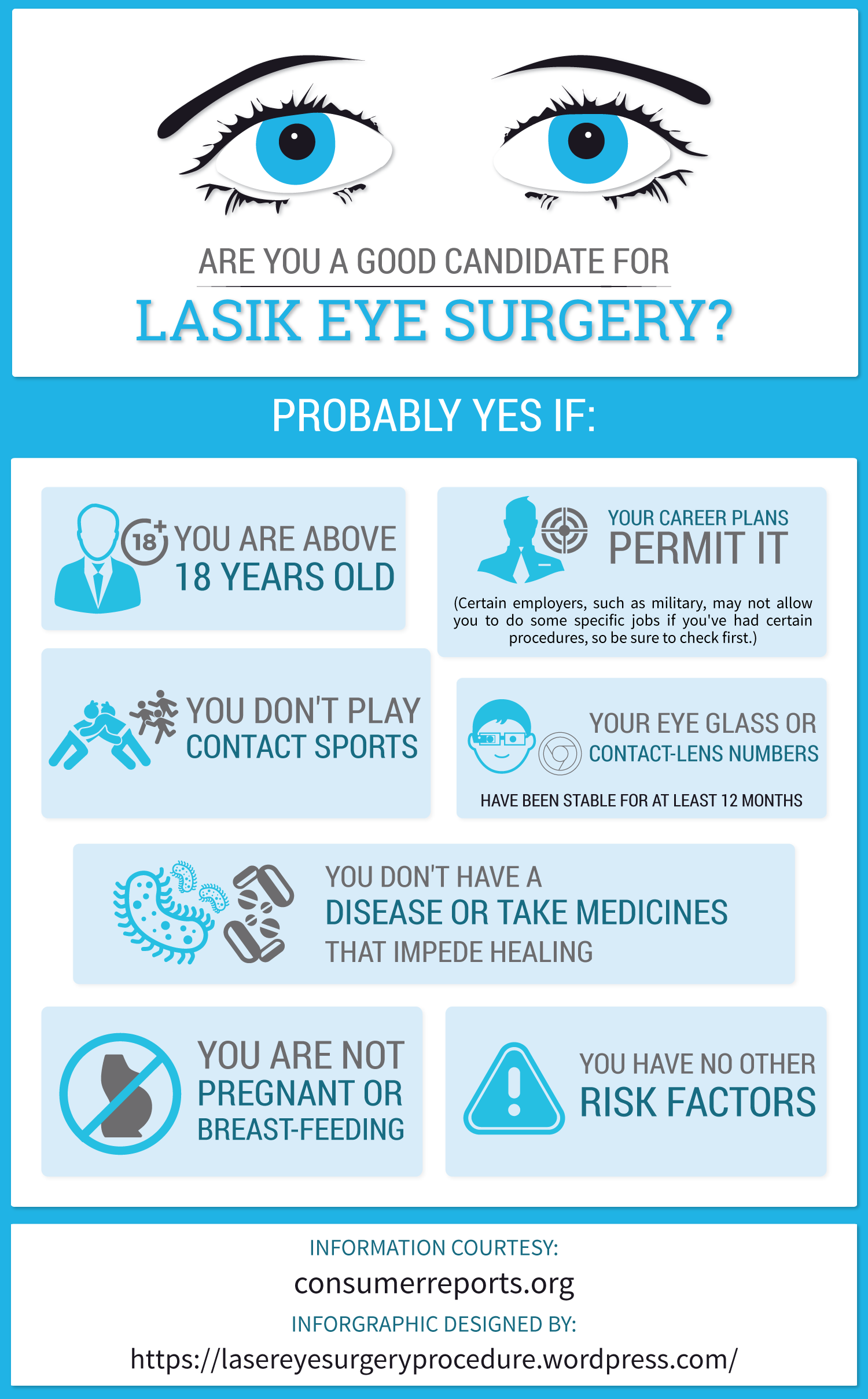
Lately, the realm of vision correction has seen significant evolution, as numerous patients looking for alternatives to standard LASIK surgery. great site that is quickly becoming popular with both patients and eye doctors is the EVO ICL. This novel technique offers a option for those who may not be ideal candidates for LASIK, particularly those with severe nearsightedness or delicate corneas. As interest in EVO ICL grows, it's important to understand what this procedure involves, its advantages, and how it compares to LASIK.
The EVO ICL procedure stands out not only for its effectiveness but also for the unique advantages it offers patients. Unlike LASIK, which reshapes the cornea, EVO ICL involves inserting a lens within the eye, enabling vision correction that can be reversed and tailored. With the potential of superior visual sharpness and minimal pain, more individuals are thinking about EVO ICL as a feasible alternative. In this comprehensive guide, we will explore the specifics of the EVO ICL procedure, talk about its benefits and associated risks, and guide you in deciding if it’s the suitable option for your vision requirements.
EVO ICL procedure Summary
EVO ICL lens, or implantable collamer lens, is a popular alternative to LASIK for correcting sight difficulties such as myopia, hyperopia, and astigmatism. This procedure involves the placement of a slim lens behind iris and in front of the natural lens of the eye, providing a remedy for patients who may not be ideal candidates for traditional LASIK. As a reversible option, the EVO ICL procedure offers versatility and advantages for individuals seeking enhanced vision without the hazards associated with corneal reshaping.
The advantages of EVO ICL include excellent visual acuity, reduced glare and halos in comparison to laser eye surgery, and a rapid recovery time. Many patients appreciate that EVO ICL can also correct higher degrees of myopia and irregular cornea than traditional laser procedures. Additionally, since EVO ICL Vision Clarity Long Beach does not involve changing the cornea, it preserves the eye’s anatomy, making it a desirable choice for those interested in long-term consequences on eye health.
However, like any surgery, EVO ICL may come with possible side effects, including increased intraocular pressure and issues related to lens placement. It is important for patients to thoroughly examine their individual cases with a qualified surgeon, ensuring they understand both the advantages and disadvantages associated with the EVO ICL lens treatment. The rising popularity of the EVO ICL procedure reflects a heightened recognition of its advantages and the need for tailored vision correction solutions.
Procedure and Recovery
This EVO ICL surgery is a less invasive surgery intended to insert a collamer lens within the eye, providing an substitute to laser refractive surgeries such as LASIK. During the operation, the doctor creates a small opening on the periphery of the corneal surface and gently inserts the lens between the colored part of the eye and lens of the eye of the eye. The whole procedure generally takes roughly 15-30 minutes per eye and is conducted under local anesthesia, allowing for a swift return to routine activities.
Post the surgery, patients may notice minor discomfort, which typically resolves within a short period. Vision clarity often begins to get better within a day, with most people attaining significant visual correction shortly after the surgery. Post-operative care includes follow-up appointments to monitor healing and ensure that no issues arise. The surgeon may recommend eye drops to prevent infection and control inflammation during the healing process.
The timeframe for recovery for EVO ICL differs among individuals, but many return to their regular activities after a few days. Full settling of vision can take a several weeks as the eyes adapt to the implanted lens. In contrast to laser eye surgery, which can leave some patients experiencing dry eyes, EVO ICL may be a more appropriate option for those particularly sensitive to such reactions. As with any surgery, adhering to the surgeon's post-operative instructions is crucial for most favorable results and minimizing complications.
Financial and Financial Aspects
In the context of EVO ICL surgery, a key essential elements patients evaluate is the price. The price of the procedure can range significantly based on different factors like the surgeon's expertise, the technology utilized, and geographic area. On average, the price of EVO ICL can be more expensive than LASIK, typically ranging between $three thousand and $5,000 per eye. It is essential to receive a detailed breakdown of the fees involved, as this will usually encompass pre-operative consultations, the surgery itself, and post-operative follow-ups.
Financial solutions are available to help cope with the costs of EVO ICL. Many clinics provide payment plans or financing through third-party companies, allowing patients to distribute the expense over time. Additionally, some health savings accounts (HSAs) or flexible spending accounts (FSAs) may be used to cover a portion of the costs. It's prudent to ask about these possibilities during consultations with prospective surgeons to find a solution that suits your financial situation.
Insurance benefits for EVO ICL can change significantly, as it is usually considered an elective procedure. While most vision insurance plans may not include the entirety of the procedure, some may extend partial benefits or allow the use of health savings funds. Patients should verify with their insurance provider to understand their specific coverage options. Overall, understanding the monetary implications of EVO ICL surgery is important for making an educated decision about vision correction.
Client Experiences and Results
Many individuals express significant satisfaction scores post EVO ICL operation, generally citing a swift return of sight and mild inconvenience. The operation typically requires about 15 to 30 mins per eye, with the majority of people experiencing an prompt upgrade in their sight. Individuals cherish the clarity and standard of eyesight they achieve, typically characterizing it as clearer and brighter compared to their previous lives with lenses or contact prescriptions.
Recovery after EVO ICL procedure is typically fast, with a good number of individuals coming back to their daily routines in a day or two. Follow-up visits show steady findings, with most patients achieving 20/25 sight or enhanced. In feedback found in EVO ICL experiences, a recurring topic is the newfound independence from the inconvenience of daily vision care, leading to an boost in total standard of life.
Although the surgery has shown beneficial for a lot of clients, some patients do report aftereffects such as light rings or light reflections, particularly at night. Nonetheless, these issues are generally temporary and diminish as the sight improve. On the whole, the positive outcomes and dramatic influence on clients' lives add to the increasing favor of EVO ICL as a dependable alternative to LASIK.